Real cost of garden maintenance in Chalk Farm for 2026
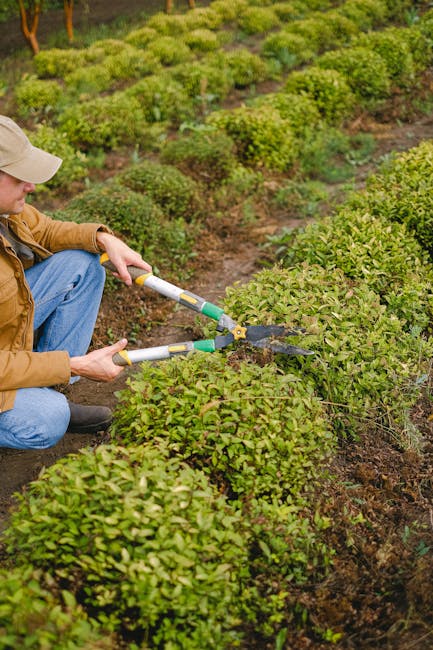
If you have been trying to pin down the real cost of garden maintenance in Chalk Farm for 2026, you will already know the annoying bit: there is no single tidy price. A small front garden that needs a quick tidy-up is one thing. A shaded back garden with overgrown hedges, patchy lawn, awkward access, and a patio that has not seen a decent clean since last summer? Entirely different story. To be fair, that is exactly why the market feels confusing.
This guide breaks down what typically shapes garden maintenance pricing in Chalk Farm, what you are really paying for, and how to compare quotes without getting caught out by the fine print. You will also find a practical checklist, a comparison table, and a realistic example based on the kind of jobs London gardens often need. No fluff. Just the stuff that helps you make a sensible decision.
Why the real cost of garden maintenance in Chalk Farm for 2026 matters
Garden maintenance sounds simple until you actually try to budget for it. In Chalk Farm, the price is shaped by local realities: limited access, compact urban gardens, more frequent tidying in smaller spaces, and the fact that many properties need a mixed service rather than one-off mowing. If you are comparing numbers for 2026, you are not just comparing labour. You are comparing time, travel, equipment, waste removal, and the level of finish you want at the end.
That matters because a cheap quote can look appealing right up until the gardener arrives and discovers that the hedge needs shaping, the lawn needs recovery, the beds are full of weeds, and the old clippings need to be removed. Suddenly the original price is no longer the price. Not ideal.
For homeowners, landlords, letting agents, and busy tenants, getting the cost right means fewer surprises and better planning. It also helps you decide whether you need regular garden maintenance, a seasonal tidy, or a broader package that includes lawn care, hedge trimming, or even patio cleaning.
Expert summary: The real cost is rarely just a labour rate. In Chalk Farm, it is usually a blend of access, garden size, task complexity, waste handling, and how often you want the work done.
How the real cost of garden maintenance in Chalk Farm for 2026 works
Most garden maintenance quotes are built from a few core variables. If you understand those variables, you can read a quote more confidently and ask the right questions. That is half the battle, honestly.
1) Garden size and layout
A narrow courtyard, a terraced back garden, and a large corner plot are all priced differently. Size affects the time required, but layout matters almost as much. A garden with plenty of open space is faster to maintain than one with tight side access, steps, awkward corners, or multiple levels.
2) The current condition of the garden
A well-kept garden needs routine upkeep. An overgrown one needs recovery. That recovery stage takes longer because the team may need to cut back growth, clear debris, remove dead material, and then return later for fine finishing. If you have not had a proper cutback in a while, expect the first visit to cost more than the ongoing visits.
3) The services included
Garden maintenance can mean very different things from one provider to the next. One quote may cover lawn mowing and weeding only. Another may include edging, pruning, hedge shaping, leaf clearance, border tidying, and green waste removal. Always read what is included. It sounds obvious, yet it is where people get caught out most often.
4) Frequency of visits
Regular visits are often better value than sporadic emergency clean-ups. A monthly or fortnightly plan keeps the work manageable, which usually means less labour each time. If you let things go too long, the job turns from maintenance into restoration. That is where costs creep up.
5) Waste removal and disposal
Clippings, branches, leaves, and general green waste all need handling. Some gardeners include this in the quote. Others charge separately. If your garden produces a fair amount of waste, this can make a noticeable difference to the final bill. It is one of those invisible costs that feels small until it is not.
6) Tools, fuel, and specialist tasks
Some jobs need a strimmer and mower. Others need ladder work, specialised pruning tools, or equipment for heavier clearance. If a task is more technical, the price tends to reflect that. For example, tree surgery or tree lopping and removal are specialist services, and they should be priced accordingly, not bundled in as a casual add-on.
It is also worth checking whether the provider offers a broader range of gardening services. That can help if your garden needs more than a quick trim and tidy.
Key benefits and practical advantages
There is a reason people keep up with garden maintenance instead of waiting until everything gets out of hand. It is not just about looks, though let's face it, a tidy garden does make the whole property feel calmer.
- Better control over long-term cost: regular upkeep is usually cheaper than repeated rescue jobs.
- Healthier planting: consistent pruning, feeding, and lawn care help plants stay in better shape.
- Safer outdoor spaces: fewer trip hazards, fewer hidden slippery areas, and less chance of branches becoming a problem.
- Improved kerb appeal: useful if you rent, plan to sell, or simply care about the look of the place.
- Less weekend stress: which, truth be told, matters more than many people admit.
There is also a quieter benefit. A maintained garden is easier to enjoy. You notice the small things more: the sound of shears cutting cleanly, the smell after fresh mowing, the way a patio looks once the grime has been lifted. Nice, simple stuff.
Who this is for and when it makes sense
This topic matters to anyone trying to decide whether to budget for one-off help or a regular plan. In Chalk Farm, that usually means a mix of property types and lifestyles, so the "right" maintenance approach is not one-size-fits-all.
Homeowners
If you want the garden to stay presentable without giving up your Saturdays, a recurring maintenance plan is usually the most sensible route. It is especially useful if your lawn, hedges, or borders need attention through spring and summer.
Landlords and letting agents
For rental properties, the garden often becomes a standards issue. Tenants move in with different ideas about upkeep, and it can slide quickly. A predictable maintenance schedule helps keep the property easier to manage and easier to present.
Busy professionals
If you work long hours or split your week between home and office, the garden can become an afterthought. Then one day you look out and realise the hedge is doing its own thing. That is usually the moment people start asking for a proper quote.
Older homeowners or anyone reducing physical work
Some tasks are straightforward but physically demanding: lifting bags, wrestling with overgrowth, or dragging cuttings to the front. Regular help can simply make life easier.
People planning a bigger outdoor upgrade
If you are thinking about reworking the garden, maintenance can be a stepping stone. It often comes before landscaping, landscape gardening, or practical improvements such as fencing and decking services. Sometimes the first job is simply getting the space back under control.
Step-by-step guidance
If you want to understand the real cost properly, work through the process in order. It saves time and it usually produces a better quote.
- Walk the garden slowly. Look at the lawn, borders, hedges, paths, bins, sheds, and awkward corners. The hidden work is often where the cost lives.
- Separate the jobs. Make a list of what actually needs doing: mowing, weeding, pruning, clearing leaves, patio cleaning, or waste removal.
- Decide what "good" looks like. Do you want a neat reset, or ongoing maintenance that keeps everything stable month by month?
- Ask for a written quote. Good quotes should explain what is included, what is excluded, and whether green waste is part of the price. If it is not written down, ask.
- Check access and timing. Narrow entrances, parking issues, or shared access can affect the final figure. In London, that is normal.
- Compare like with like. Do not compare a cut-and-tidy quote with a full-service maintenance quote and assume the cheaper one is better. It probably is not.
- Plan the next visit. If the first appointment is a cleanup, decide whether the garden will then move onto a monthly or seasonal schedule.
A quick example: if your garden is tidy but needs regular mowing, light weeding, and hedge trimming, the cost is usually more manageable than if you need a full reset after months of growth. The first visit is the expensive one. The follow-up visits are where you regain control.
Expert tips for better results
Over time, a few practical habits make garden maintenance cheaper, smoother, and less frustrating. Nothing fancy. Just the sort of things experienced gardeners notice straight away.
- Bundle tasks sensibly. If the team is already on site, it often makes sense to combine mowing, edging, and hedge work in the same visit.
- Keep access clear. Move bikes, bins, toys, and garden furniture before the visit. It saves time and avoids a lot of awkward shuffling around.
- Trim little and often. Small jobs stay small. Wait too long and the tidy-up becomes heavy work.
- Ask about seasonal changes. Spring growth and autumn leaf fall can shift the workload quite a lot.
- Be realistic about results. A gardener can improve a space dramatically, but some gardens need more than one visit to get back to a proper standard.
One small thing that helps: take a few photos before requesting a quote. It is not glamorous, but it gives the provider a better picture, especially if you are comparing different types of maintenance or adding in lawn mowing and hedge trimming.
Common mistakes to avoid
The same pricing mistakes come up again and again. Here are the ones most likely to trip you up.
Choosing only on headline price
A low quote can hide a narrow scope. If waste removal, edging, or pruning are not included, the final bill may be higher than expected. Cheap is not always cheap, annoying as that is.
Not checking what counts as "maintenance"
One provider may see maintenance as routine upkeep. Another may treat it as a full tidy of all beds, paths, and boundaries. Definitions matter.
Ignoring the first-visit effect
The first visit is often more expensive because the garden needs resetting. After that, a regular schedule can bring costs down and keep things manageable.
Forgetting about disposal costs
If cuttings and branches need to leave the property, that can add cost. Always ask whether waste is removed, composted on site, or left for you to deal with. No one likes that surprise at the end of a hot afternoon.
Skipping the details on hedges and trees
High hedges, awkward branches, and overgrown trees may need specialist attention. If that is true for your garden, it is better to say so upfront and ask whether tree surgery or other specialist work is required.
Assuming all quotes are equally insured or safe
Professional garden work should be carried out with sensible health and safety practices, proper insurance, and clear working methods. If someone cannot explain how they handle ladders, tools, or waste, pause and ask more questions.
Tools, resources and recommendations
You do not need a shed full of pro-grade equipment to manage costs well. What you do need is a sensible brief, a few notes, and a basic understanding of the work involved.
- Photos of the garden: useful for getting a more accurate estimate.
- A simple task list: divide the job into mowing, pruning, weeding, clearance, and cleaning.
- Previous job notes: if a hedge was cut badly last time, or the lawn was struggling, that context helps.
- A calendar of seasonal jobs: spring tidy, summer upkeep, autumn leaf clearance, and winter check-ins.
- A clear budget range: decide what you are comfortable spending before you start comparing options.
If you want to understand how pricing is approached more generally, the site's pricing and quotes page is a useful place to start. For broader service information, the main garden maintenance page can also help you see how different tasks fit together. And if you care about greener disposal and smarter use of materials, take a look at recycling and sustainability.
Law, compliance, standards and best practice
Most garden maintenance work is straightforward, but it still should be handled professionally. In the UK, you would normally expect providers to work safely, manage equipment sensibly, and be clear about waste handling, site access, and liability. The details can vary by job, but the principle is simple: the work should be carried out responsibly.
That means a few things in practice:
- Safe working methods: ladders, cutting tools, and powered equipment should be used properly, not casually.
- Insurance awareness: if work is being done on your property, it is reasonable to ask how safety and insurance are handled.
- Clear scope: both sides should understand what is included before the work starts.
- Waste management: green waste should be handled in a way that is lawful and practical.
It is also sensible to check company policies that explain how a provider operates. Pages such as health and safety policy, insurance and safety, payment and security, and terms and conditions are useful for understanding what level of professionalism to expect. That kind of transparency matters more than people think.
If you need to raise a concern later, it helps to know there is a clear process. The same goes for practical access matters and personal data handling. Sensible businesses make this easy to find, not hidden away like a spare key under a plant pot.
Options and comparison table
Not every garden needs the same type of help. The best-value option depends on what you are trying to fix, maintain, or improve.
| Option | Best for | Typical cost shape | What to watch for |
|---|---|---|---|
| One-off tidy-up | Gardens that have got slightly out of hand | Higher first visit, especially if overgrown | May not include ongoing upkeep |
| Regular maintenance visit | Homes that want consistent presentation | Usually steadier and easier to budget | Check exactly what tasks are included |
| Seasonal maintenance | Properties with predictable spring/autumn work | Moderate, based on seasonal demand | Can miss fast-growing areas between visits |
| Specialist add-ons | Hedges, trees, patios, or boundary work | Quoted separately or as extras | Needs proper scoping and safety checks |
If your garden has a lot of hard landscaping, it may also make sense to pair maintenance with patio cleaning or broader landscaping work. Sometimes the issue is not just plant growth. It is the whole outdoor space needing a bit of order.
Case study or real-world example
Here is a realistic Chalk Farm scenario. A terraced property has a small rear garden with a lawn, two mature shrubs, a narrow side return, and a patio that has turned a little green around the edges. Nothing extreme. Just one of those gardens that looks fine from a distance and a bit neglected up close.
The owner wants a tidy-up before a family gathering and then monthly maintenance through summer. The first visit includes mowing, edging, weeding, hedge shaping, leaf and debris collection, and patio clean-up around the seating area. The second and third visits are much lighter because the garden is now under control.
What happens to the cost? The first visit costs more because it is a reset. The later visits cost less because the work is shorter, more predictable, and easier to complete. That pattern is common. If someone quotes a modest monthly price but the first visit is expensive, that is not automatically a bad thing. It may actually be the most honest way to price the job.
The owner also decides to add a small section of lawn care advice into the schedule, because the lawn is thin in one shaded corner. A little attention now helps avoid a patchy, scruffy look later. Small win, really.
That is the part many people miss: the real value is not just how much you pay today. It is how much tidier, easier, and less stressful the garden becomes over the next few months.
Practical checklist
Use this before you request a quote or book a visit.
- Measure or estimate the garden size.
- List every task you want done.
- Decide whether you need one-off or regular maintenance.
- Check whether waste removal is included.
- Note any awkward access, steps, or parking issues.
- Take clear photos of the garden.
- Ask if the quote covers edging, pruning, and clearing.
- Find out how often the service is recommended.
- Check whether specialist work is needed for hedges or trees.
- Review payment terms before confirming.
- Ask how safety, insurance, and complaints handling are managed.
If you can tick most of those off before the first conversation, you will usually get a much better result. And a much less annoying invoice, which never hurts.
Conclusion
The real cost of garden maintenance in Chalk Farm for 2026 depends on more than the size of your garden. It is shaped by access, condition, frequency, waste handling, and the level of finish you expect. Once you separate those pieces, the numbers make a lot more sense.
The smart move is to treat maintenance as an ongoing plan, not a one-time rescue unless the garden genuinely needs a reset. Regular upkeep is usually easier to budget for, easier to live with, and kinder to the garden itself. That is the simple truth of it.
If you are comparing quotes, focus on clarity, scope, and trust as much as price. A good quote should tell you what will happen, when it will happen, and what is included. The rest is just noise.
Get a free quote today and see how much you can save.
And if all you do after reading this is walk outside and look at your garden with fresh eyes, that is a good start too. Sometimes that first honest look is the moment everything gets easier.
Frequently Asked Questions
How much does garden maintenance usually cost in Chalk Farm?
It depends on garden size, condition, and the tasks included. A tidy, regularly maintained garden is usually cheaper than an overgrown one that needs a full reset.
Why do some quotes look much lower than others?
Lower quotes often leave out waste removal, hedge work, edging, or other extras. Always compare the scope, not just the headline price.
Is one-off garden maintenance cheaper than regular visits?
One-off work can seem cheaper at first, but regular visits often reduce the amount of labour needed each time. Over the year, that can be better value.
What affects the price most in a London garden?
Access, overgrowth, parking, waste removal, and the number of tasks are usually the biggest factors. Small urban gardens can still take time if they are awkward to reach.
Does garden maintenance include lawn mowing and hedge trimming?
Sometimes yes, sometimes no. It depends on the provider and the quote. Check whether lawn mowing and hedge trimming are included or charged separately.
Should I book a garden clearance instead of maintenance?
If the garden is heavily overgrown or cluttered, a clearance job may be the better first step. Maintenance is usually for keeping things under control after the initial tidy-up.
How often should a garden in Chalk Farm be maintained?
That depends on the garden. Many properties benefit from fortnightly or monthly visits during the growing season, with lighter seasonal work at other times.
Do I need to arrange waste disposal myself?
Not always. Some gardeners include green waste removal, while others do not. It is a key question to ask before booking.
Is patio cleaning worth adding to garden maintenance?
If the patio has moss, algae, or surface dirt, yes, it often is. A clean patio can make the whole garden look better, even if the planting is simple.
What should I check before accepting a quote?
Check the tasks included, waste removal, timing, access assumptions, payment terms, and whether safety and insurance are clearly explained. Clarity upfront saves arguments later.
Can garden maintenance help before a property sale or rental check-in?
Yes. A tidy garden improves presentation and helps the outside space feel cared for. For sales and lettings, that can make a real difference to first impressions.
Where can I find more information about quote structure and payment?
The most useful starting points are the site's pricing and quotes and payment and security pages. They help set expectations before work begins.