Lawn Care in Chalk Farm: Keeping Your Outdoor Space Healthy, Green, and Beautiful
Why Lawn Care in Chalk Farm Matters for Local Homes and Gardens

Lawn care in Chalk Farm is about more than keeping grass short and tidy. In a busy London area where outdoor spaces can be compact, shaded, or exposed to heavy foot traffic, a healthy lawn adds calm, structure, and visual appeal to a property. Whether you have a small front garden, a shared courtyard, or a larger private lawn, the right care routine helps grass stay resilient throughout the year.
Local conditions make a big difference. Chalk Farm lawns often face the combined challenges of urban pollution, soil compaction, limited sunlight, and irregular moisture levels. These pressures mean that lawn care in Chalk Farm should be tailored rather than generic. A one-size-fits-all approach rarely works well, especially when turf has to cope with changing weather, seasonal wear, and narrow planting areas.
Well-planned lawn maintenance in Chalk Farm can improve drainage, reduce moss, limit weeds, and encourage stronger root growth. It also creates a garden that looks cared for without requiring constant emergency fixes. For many residents, a neat, healthy lawn is one of the easiest ways to increase the enjoyment and usability of their outdoor space.
Understanding the Local Growing Conditions

To achieve effective lawn care in Chalk Farm, it helps to understand what the grass is dealing with. Urban lawns are frequently affected by compacted soil, which limits airflow and water movement. In areas close to roads, dust and debris can settle on the turf, while nearby buildings may cast shade for much of the day. These conditions can slow growth and create patchy areas if not addressed properly.
Another common issue is uneven moisture. Some lawns in Chalk Farm dry out quickly in sunny spots, while shaded sections remain damp and prone to moss. This contrast means lawn treatment in Chalk Farm should be based on observation. Regular checks help identify whether the lawn needs more aeration, improved feeding, or a change in mowing routine.
It is also worth considering the surrounding landscape. Trees, fences, paving, and neighbouring structures all influence how grass grows. Lawn specialists in Chalk Farm often adjust their approach depending on the level of shade, soil type, and usage patterns. Careful assessment is the foundation of a healthier lawn, especially in compact urban gardens where every square metre counts.
Key Signs Your Lawn Needs Attention

There are several signs that your lawn care routine in Chalk Farm may need improvement. If the grass looks thin, discoloured, patchy, or uneven, these are often early indicators of poor soil health or inconsistent maintenance. A lawn that feels hard underfoot may be suffering from compaction, while a spongy surface could point to moss or thatch build-up.
Weeds are another major signal. Small numbers of weeds are normal in any outdoor space, but if dandelions, clover, or moss are spreading quickly, it usually means the turf is under stress. Lawn maintenance in Chalk Farm should address the root cause rather than relying only on surface-level fixes. Healthy grass naturally crowds out many weeds when it is well fed and properly cut.
Other warning signs include brown tips after mowing, bare patches near walkways, and standing water after rainfall. These issues may suggest poor mowing height, weak drainage, or low fertility. When these patterns appear, targeted lawn care services in Chalk Farm can help restore balance and improve long-term growth.
Seasonal Lawn Care in Chalk Farm
A successful lawn care plan in Chalk Farm changes with the seasons. Grass growth, soil activity, and moisture levels all vary across the year, so maintenance should adapt accordingly. A seasonal approach helps prevent problems before they become expensive or time-consuming to repair.
In spring, lawns usually need recovery after winter. This is the time for clearing debris, gentle scarifying, fertilising, and overseeding if needed. Spring lawn care in Chalk Farm often focuses on waking the turf up and encouraging strong root development as temperatures rise. Strong growth at this stage sets the tone for the rest of the year.
Summer lawn care in Chalk Farm usually means managing heat, protecting moisture, and avoiding stress. Cutting the grass too short during hot weather can weaken it, especially in small gardens with limited shade. In autumn, the emphasis shifts to repair, aeration, and feeding. Winter is the quietest period, but it still matters to keep the lawn clear of debris and avoid unnecessary pressure on wet ground.
Spring Lawn Care in Chalk Farm
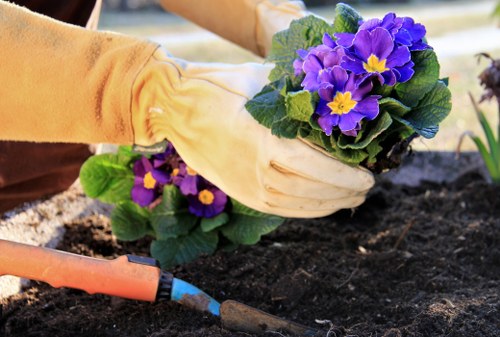
Spring is the ideal time to reset your lawn care routine in Chalk Farm. After months of cold weather, grass often looks tired or uneven, and moss may be more noticeable. A spring treatment plan can include raking, aeration, overseeding, and the application of a balanced fertiliser. These steps support recovery and stimulate thicker growth.
During this period, mowing should begin carefully. The first cuts should not be too low, especially if the grass has grown unevenly over winter. Gradual mowing helps prevent shock and encourages the lawn to strengthen naturally. If there are bare patches, they can be repaired early before weeds have a chance to spread into them.
For many households, spring lawn care in Chalk Farm is also the best time to examine the surrounding garden layout. Overhanging branches, poor drainage, or blocked borders may be limiting grass health. Solving these issues early improves the success of the rest of the season and keeps the turf more resilient in warmer months.
Mowing Techniques That Support Healthy Grass
Mowing is one of the most important parts of lawn care in Chalk Farm, but it is also one of the easiest to get wrong. Cutting too short can weaken grass and allow weeds to spread. Cutting too infrequently can leave the lawn looking untidy and may cause clumps of cuttings to smother the turf. The key is consistency.
A good mowing routine should match the grass type, the season, and the lawn’s overall condition. In shaded gardens, grass often grows more slowly and may need less frequent cutting. Sunny lawns, on the other hand, can require regular trimming during peak growth periods. The best lawn care in Chalk Farm often includes slightly higher mowing heights in summer to help the turf retain moisture and resist stress.
It is also important to keep mower blades sharp. Dull blades tear the grass rather than cutting it cleanly, leaving ragged edges that turn brown and increase disease risk. For a polished result, many homeowners choose professional lawn mowing in Chalk Farm, especially when time is limited or the lawn has awkward edges and tight access areas.
Recommended Mowing Practices
To keep turf in good condition, consider the following mowing habits:
- Do not remove more than one-third of the grass height in a single cut.
- Increase mowing height during dry or hot weather.
- Avoid mowing when the lawn is wet unless absolutely necessary.
- Change mowing direction occasionally to reduce wheel marks and flattening.
- Collect clippings if they are heavy, but allow light clippings to return nutrients when appropriate.
These simple steps support healthier lawn care in Chalk Farm and help reduce unnecessary strain on the grass. They also create a cleaner, more even finish that improves the appearance of the entire garden.
When mowing becomes difficult due to steep slopes, narrow passages, or uneven terrain, specialist lawn care services in Chalk Farm can provide the right equipment and know-how to handle the job efficiently.
Feeding, Aeration, and Soil Improvement
A lawn cannot stay healthy on mowing alone. Soil quality plays a major role in how turf behaves, which is why feeding and aeration are essential parts of lawn care in Chalk Farm. Grass needs nutrients to grow strongly, while the soil beneath it must allow roots to breathe, spread, and absorb water.
Fertilising should be done according to the season and the lawn’s condition. A spring feed promotes growth, while an autumn feed usually focuses on root strength and recovery. Choosing the right product matters. Too much nitrogen at the wrong time can create weak growth, whereas a balanced formula supports healthier turf over the long term.
Aeration is especially useful in compacted urban gardens. By creating small holes in the soil, air and moisture can reach the root zone more easily. This is one of the most effective treatments for lawn care in Chalk Farm because it tackles a common local issue at the source. When paired with topdressing or overseeding, aeration can significantly improve lawn performance.
Why Aeration Helps Urban Lawns
In Chalk Farm, lawns often face regular pressure from children, pets, garden furniture, and seasonal foot traffic. Over time, this compresses the soil and restricts root growth. Aeration loosens the ground and restores a healthier structure. It also helps reduce surface water pooling after heavy rain, which is useful in gardens where drainage is not ideal.
There are different methods of aeration, including hollow-tine aeration and spike aeration. Hollow-tine aeration is usually more effective for heavily compacted lawns because it removes small plugs of soil and leaves more space for improvement. Spike aeration can be helpful for lighter maintenance but is less effective for major compaction issues. A proper lawn maintenance plan in Chalk Farm can determine which method is most suitable.
When aeration is followed by overseeding, the new grass seed has a better chance of settling into the soil and filling bare patches. This makes it a practical investment for lawns that look tired, patchy, or thin.
Moss, Weeds, and Patch Repair
Moss and weeds are among the most common frustrations in lawn care in Chalk Farm. They often appear when turf is weak, shaded, or poorly drained. Although they can be treated individually, the most effective solution is to improve the lawn’s overall condition so grass becomes stronger and more competitive.
Weed control should be handled carefully. Some weeds can be removed manually, while others may need selective treatment. The goal is to protect the grass while preventing further spread. Moss, meanwhile, often indicates a deeper issue such as shade, compaction, or acidity. Treating the visible moss without fixing the underlying cause usually leads to repeated growth.
Bare patches should not be ignored. They are ideal entry points for weeds and can quickly worsen if left exposed. Lawn care in Chalk Farm often includes patch repair through seeding, feeding, and light topdressing. Early repair is always easier than large-scale restoration, especially in smaller gardens where every patch is noticeable.
Practical Patch Repair Steps
Repairing damaged turf usually involves a simple sequence:
- Clear away dead grass, weeds, and debris.
- Loosen the soil surface so the seed can settle properly.
- Add quality lawn seed suited to the site’s light and shade conditions.
- Lightly cover with topsoil or compost where needed.
- Keep the area moist until new growth is established.
This process supports long-lasting lawn care in Chalk Farm by restoring density and improving the lawn’s overall appearance. For larger patches or repeated damage, professional help may be the fastest and most reliable solution.
Watering and Drainage in Chalk Farm Gardens
Watering is a critical part of lawn care in Chalk Farm, but it should be done with care. Too little water can cause grass to dry out and turn brown, while too much can lead to shallow roots, fungus, and waterlogging. The best approach is deep but infrequent watering when conditions require it.
Because local gardens can vary greatly, drainage should also be assessed. Some areas may shed water quickly, while others retain moisture after rain. If puddles linger or the lawn feels soft and spongy, there may be an issue beneath the surface. Improving drainage through aeration, soil conditioning, or garden redesign can make a major difference to lawn health.
For residents seeking reliable lawn care in Chalk Farm, understanding watering and drainage together is important. These two elements are closely connected, and balancing them properly helps maintain turf colour, strength, and resilience across the growing season.
How to Water Efficiently
Use the following principles to water more effectively:
- Water early in the morning to reduce evaporation.
- Focus on soaking the root zone rather than lightly wetting the surface.
- Avoid frequent shallow watering that encourages weak roots.
- Check shaded areas carefully, as they may need less water than sunny parts.
- Reduce watering during cooler or wetter periods.
These habits help maintain healthier turf and support smarter lawn maintenance in Chalk Farm. They also reduce waste and prevent unnecessary stress caused by overwatering.
If drainage remains poor despite regular care, a more detailed turf assessment may be needed to identify whether soil structure, slope, or surrounding paving is affecting the lawn.
Eco-Friendly Lawn Care in Chalk Farm
Many homeowners now want lawn care in Chalk Farm to be both effective and environmentally responsible. Eco-friendly practices can reduce chemical use, support soil health, and make the garden safer for pets and children. They also tend to produce more sustainable long-term results.
Using organic feeds, compost-based topdressing, and careful mowing habits can all contribute to a greener approach. Allowing grass clippings to mulch lightly back into the lawn can return nutrients naturally, while avoiding excessive fertiliser use helps protect nearby planting areas. Sustainable lawn care in Chalk Farm is not just better for the environment; it often produces stronger, more adaptable grass.
Wildlife-friendly choices are also becoming popular. A balanced lawn does not need to be a perfect monoculture. In some gardens, a slightly more natural finish can still look attractive while supporting biodiversity. The key is to decide how the lawn will be used and then tailor the care plan accordingly.
Natural Approaches That Work Well
Some practical eco-friendly options include:
- Using compost or organic soil improvers to boost structure.
- Choosing drought-tolerant grass seed mixes where suitable.
- Reducing chemical use by improving lawn health through aeration and feeding.
- Leaving some clippings on the lawn after a light cut.
- Adjusting mowing frequency to match actual growth rather than a fixed schedule.
These methods can be incorporated into routine lawn care in Chalk Farm without sacrificing presentation. In fact, they often help lawns become more resilient and easier to manage over time.
For many properties, environmentally conscious lawn maintenance is also a practical choice because it reduces long-term repair needs and supports better soil life.
When to Use Professional Lawn Care Services
While some homeowners enjoy handling lawn maintenance themselves, there are times when professional lawn care in Chalk Farm is the smarter option. If the grass is badly damaged, the soil is compacted, or weeds and moss keep returning, expert treatment can save time and deliver better results. Professionals can also identify hidden problems that may not be obvious from the surface.
Professional lawn services in Chalk Farm are especially useful for busy households, rental properties, and gardens with awkward layouts. They can manage mowing, feeding, aeration, scarifying, seeding, and general lawn repair with the right tools and timing. This can be particularly valuable during seasonal transitions when the lawn needs more than basic upkeep.
Reliable lawn care in Chalk Farm should be consistent, adaptable, and suited to the specific site. Whether you need regular maintenance or a one-off recovery treatment, expert support can help turn a weak lawn into a healthier and more attractive outdoor space. Book your service now if you want a more polished result without the stress of managing every detail yourself.
Choosing the Right Lawn Care Approach
Before deciding on a service or routine, consider the following:
- How much sunlight does the lawn receive?
- Is the soil compacted or free-draining?
- Does the lawn experience heavy use from children, pets, or guests?
- Are moss, weeds, or patchy areas a recurring issue?
- Do you need regular upkeep or seasonal restoration?
These questions help shape the right lawn care strategy in Chalk Farm. A lawn that receives little sun will need different treatment from one that is exposed all day. Similarly, a decorative front lawn may require a different finish from a family garden designed for regular use.
By tailoring the approach to the actual conditions, you improve the chances of long-lasting success and reduce the need for repeated repairs.
Maintaining a Lawn That Stays Attractive Year-Round
Long-term lawn care in Chalk Farm is about consistency. A lawn that is checked regularly, cut correctly, fed at the right times, and repaired when needed will look better for longer. This steady approach prevents the common cycle of neglect, repair, and frustration that many urban gardens experience.
It is also helpful to view lawn maintenance as part of the wider garden. Edging, hedge trimming, border care, and debris removal all contribute to the lawn’s appearance. When the whole space is tidy, the grass looks greener and more purposeful. Even a small lawn can become a strong visual feature when it is properly maintained.
If your goal is a garden that feels neat, usable, and welcoming, then lawn care in Chalk Farm should be treated as a regular priority rather than an occasional task. With the right plan, the lawn can remain a valuable part of the home through every season.
Final Thoughts on Lawn Care in Chalk Farm
Lawn care in Chalk Farm works best when it is built around local conditions, seasonal changes, and practical routines. From mowing and feeding to aeration, drainage improvement, and patch repair, each step contributes to a healthier and more attractive lawn. The goal is not perfection for its own sake, but a strong, balanced turf that suits the space and the way it is used.
Whether you are dealing with shade, compaction, moss, or patchy growth, the right lawn care approach can make a noticeable difference. Small improvements add up over time, and a well-maintained lawn can completely change how a garden feels. For homeowners who want a cleaner, greener result, the next step is simple: Contact us today and book your service now to give your lawn the attention it deserves.