Hedge Trimming in Chalk Farm: Clean, Healthy, and Beautiful Garden Boundaries
Why Hedge Trimming in Chalk Farm Matters

Hedge trimming in Chalk Farm is more than a routine garden task; it is one of the most effective ways to keep outdoor spaces looking sharp, healthy, and well cared for. In a busy part of North London where gardens, courtyards, terraces, and shared green spaces often need to look good all year, regular hedge maintenance plays a major role in the overall appearance of a property.
Well-trimmed hedges do much more than improve kerb appeal. They help shapes stay neat, encourage denser growth, prevent overextension, and reduce the risk of branches encroaching on paths, driveways, or neighbouring properties. For homeowners, landlords, and property managers, hedge trimming in Chalk Farm can also support safer, tidier, and more manageable outdoor spaces.
In an area with a mix of period homes, modern apartments, and compact gardens, hedge care needs to be practical as well as attractive. That is why many residents look for professional hedge trimming in Chalk Farm to keep hedges in good form through every season while saving time and avoiding unnecessary damage.
The Value of Regular Hedge Maintenance
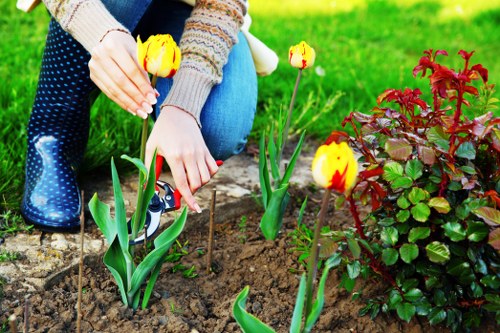
Many hedges grow faster than people expect. Left unchecked, they can become uneven, thin at the base, or too dense at the top. Regular hedge trimming helps maintain the right proportions and supports healthy regrowth from the lower branches, which is essential for long-term structure.
Consistent hedge trimming in Chalk Farm also helps prevent common problems such as pest shelters, blocked light, and overgrown branches rubbing against fences or walls. When a hedge becomes too large, it can quickly dominate a small garden and make the space feel enclosed rather than relaxing. A properly maintained hedge provides privacy without overwhelming the property.
There are also practical reasons to stay on top of hedge care. Overgrown hedges can obstruct pavements, reduce visibility near entrances, and create friction with neighbours if branches spread beyond boundary lines. A planned trimming schedule helps avoid those issues and keeps the garden looking intentional and controlled.
How Hedge Trimming Improves Garden Health
Healthy hedges are usually the result of thoughtful, regular maintenance. Cutting back growth at the right time encourages fresh shoots and improves airflow through the plant. Better airflow reduces the risk of fungal issues, while improved light penetration supports more balanced growth throughout the hedge.
Hedge trimming in Chalk Farm is especially useful for hedges planted in smaller urban gardens, where sunlight may already be limited by buildings, walls, or neighbouring trees. Strategic trimming can help prevent the top from becoming too heavy and the lower sections from becoming sparse.
It is also worth noting that different hedge types respond differently to trimming. Some require light and frequent shaping, while others benefit from more seasonal cutting. A skilled approach ensures the hedge remains strong, attractive, and suitable for its environment.
Common Hedge Types in Chalk Farm Gardens
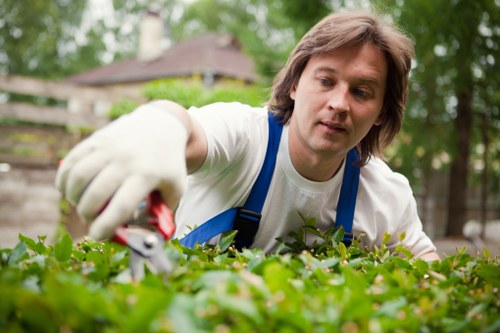
Chalk Farm properties often feature a variety of hedge species, each with its own growth pattern and trimming needs. Understanding the hedge type is important because cutting at the wrong time or with the wrong method can reduce flowering, weaken the plant, or spoil the shape.
- Privet – popular for formal boundaries and straightforward shaping.
- Laurel – fast-growing and dense, often needing regular control.
- Box – ideal for precise decorative edges and low borders.
- Holly – slower-growing and useful for security and structure.
- Beech – elegant and seasonal, often used for a softer natural look.
Each of these benefits from a different trimming approach. For example, box hedges usually need careful, clean shaping, while laurel may require more assertive management due to its rapid growth. Hedge trimming in Chalk Farm should always be matched to the hedge’s growth style, size, and setting.
Timing Matters: When to Trim Hedges
Timing is one of the most important parts of hedge care. Many hedges are best trimmed during the growing season to keep them neat and encourage healthy new growth. However, some species should be trimmed in late summer or at specific times to protect nesting birds and avoid stress to the plant.
Hedge trimming in Chalk Farm is most effective when it follows both plant needs and local conditions. Urban gardens may warm up faster or be sheltered by surrounding buildings, which can influence how quickly a hedge grows. Seasonal monitoring helps ensure the work is done at the right point in the year.
In general, lighter but more frequent cuts are better than severe trimming after long neglect. Regular hedge trimming in Chalk Farm preserves shape and reduces the need for drastic reduction, which can leave the hedge looking patchy or slow to recover.
Creating a Neat Look for Front and Back Gardens

The appearance of a hedge can completely change the feeling of a property. A tidy hedge frames paths, softens walls, and gives the whole garden a more polished appearance. In front gardens, hedge trimming often helps boost first impressions and makes the entrance more welcoming. In back gardens, it can create a calm and private retreat.
For smaller outdoor areas common in Chalk Farm, hedge trimming needs to be precise. A hedge that is too wide can make a narrow garden feel cramped. A hedge that is too tall may block light and cast heavy shadows over seating areas or planting beds. The right trimming approach helps keep the garden balanced.
Many people choose hedge trimming in Chalk Farm to make best use of the space they already have. Instead of allowing plants to spread unpredictably, shaping hedges can define zones for dining, relaxing, or growing flowers and herbs. That sense of order can make even compact gardens feel more spacious.
Safety, Access, and Neighbour Considerations
Overgrown hedges can create several safety and access problems. They may block windows, interfere with gates, hide steps, or make driveways harder to use. On pavements and shared paths, they can also become a nuisance if they reduce walking space or visibility for pedestrians and cyclists.
Professional hedge trimming in Chalk Farm helps address these concerns before they become bigger issues. Careful cutting keeps access routes clear and reduces the risk of branches snapping in windy weather. It also protects the hedge itself by removing weak or damaged growth.
Neighbour considerations matter too. Many urban gardens are close together, so hedge growth can quickly extend across boundaries. Regular trimming helps maintain good relationships by keeping the hedge within its space and avoiding unnecessary encroachment. That is especially important where privacy hedges sit near shared walls or fences.
Hedge Trimming Techniques That Deliver Better Results
Different hedge shapes require different techniques. A formal hedge usually benefits from crisp, straight lines, while a more natural hedge may need subtle shaping that preserves its organic appearance. The aim is not always to make the hedge perfectly symmetrical, but to make it healthy, balanced, and suitable for the garden.
Common hedge trimming techniques include tapering, where the base is wider than the top, and top shaping, which helps prevent the upper sections from shading the lower growth. Tapering is especially useful because it allows sunlight to reach the whole hedge, supporting even leaf coverage from top to bottom.
When done properly, hedge trimming in Chalk Farm creates a finish that looks deliberate rather than harsh. Good technique leaves the hedge with clean edges, supports future growth, and reduces visible scars from cutting. It also helps the hedge recover faster after each trim.
Tools and Equipment Used for Hedge Trimming
The quality of hedge trimming often depends on the tools used. Clean, sharp equipment gives a better finish and reduces strain on the plant. Blunt tools can tear stems instead of cutting them cleanly, leaving ragged edges that are slower to heal.
Typical equipment used for hedge trimming in Chalk Farm may include hand shears for detailed work, long-reach trimmers for tall hedges, ladders or platform access for higher sections, and protective gear for safer handling. The right tool for the job makes a noticeable difference in both appearance and plant health.
Regular maintenance of equipment is equally important. Blades should be kept sharp, cleaned between jobs, and checked for safety before use. This helps ensure a neat result and reduces the spread of disease from one plant to another.
Why Professional Hedge Trimming Is Often the Better Option
While some homeowners enjoy doing their own garden work, hedge trimming can be more demanding than it first appears. Tall or thick hedges can be difficult to manage without the right tools, experience, or safety measures. Uneven cuts, accidental over-trimming, and missed sections can quickly spoil the look of the hedge.
Professional hedge trimming in Chalk Farm offers a more reliable result because it combines knowledge of plant behaviour with efficient working methods. A trained team can shape the hedge evenly, manage waste removal, and reduce disruption to the rest of the garden.
For busy households, landlords, and property managers, outsourcing hedge care can also save valuable time. Instead of spending a weekend wrestling with branches and debris, the garden can be restored quickly and left tidy, making it easier to maintain year-round.
Seasonal Hedge Care in Chalk Farm
Seasonal change has a strong effect on hedge growth. Spring often brings rapid growth, while summer is a common time for shaping and maintenance. Autumn trimming may be useful for tidying before colder weather sets in, and winter can be a good period for planning or light work on certain hedge types.
Hedge trimming in Chalk Farm should be adjusted to the rhythm of the year. Some hedges grow vigorously after warm, wet periods, while others slow down and need less frequent attention. Monitoring seasonal growth helps avoid unnecessary cutting and supports a healthier long-term structure.
Where hedges are part of a formal garden design, seasonal care is especially important. A hedge that looks neat in spring may need several light trims over the summer to maintain its edge. In many cases, consistency is more effective than major cutting once or twice a year.
Signs Your Hedge Needs Attention
It is not always obvious when a hedge is overdue for trimming. Some signs are easy to spot, while others become apparent only when the hedge begins affecting the rest of the garden. Knowing what to look for can help keep maintenance on track.
- Branches extend beyond the intended boundary.
- The hedge looks wider at the top than at the base.
- Lower branches are becoming thin or patchy.
- Growth is blocking light into the garden or windows.
- Edges appear uneven or messy.
- The hedge is interfering with paths, fences, or gates.
If these issues are visible, hedge trimming in Chalk Farm can quickly restore order. Acting early usually means less drastic cutting and a better overall finish.
Hedge Trimming and Property Value
A well-kept exterior contributes to the overall impression of a property. Buyers, tenants, and visitors often notice the garden before they notice smaller interior details. A hedge that is neatly shaped suggests that the property has been properly cared for, which can support perceived value.
Hedge trimming in Chalk Farm can therefore be considered both a maintenance task and a presentation tool. Tidy hedges make outdoor areas feel more usable and more attractive, which is especially helpful in homes where garden space is limited but still highly valued.
This is particularly relevant for rental properties and managed developments, where appearances matter across shared spaces. Regular hedge care helps maintain consistency, keeps boundaries clear, and supports a clean overall look that benefits the whole property.
Keeping Hedges Looking Good Between Trims
After a hedge has been shaped, a few simple habits can help preserve the result for longer. Checking growth regularly, removing obvious dead twigs, and keeping the area around the hedge clear can all help maintain a tidy finish between formal trims.
Hedge trimming in Chalk Farm works best when supported by general garden care. Watering when needed, feeding appropriate plants, and monitoring for pests or disease all contribute to stronger, more resilient hedges. Healthy plants tend to hold their shape better and recover more quickly after cutting.
It is also useful to avoid letting hedges reach a stage where they need aggressive reduction. A lighter maintenance routine usually delivers a cleaner look and reduces plant stress, making the hedge easier to manage over time.
Choosing the Right Approach for Different Garden Styles
Not every garden in Chalk Farm has the same layout or design intent. Some spaces are formal and structured, while others are soft, relaxed, and planting-led. Hedge trimming should reflect that style rather than forcing every hedge into the same shape.
For a modern courtyard, straight lines and crisp edges may suit the architecture. For a traditional garden, a softer outline might look more natural and harmonious. Hedge trimming in Chalk Farm can be adapted to support both aesthetics, which is one reason it remains such an important part of garden maintenance.
Whatever the style, the goal is the same: keep the hedge healthy, make the space look considered, and ensure the garden functions well for everyday use. A thoughtful trim enhances the space rather than simply reducing its size.
What to Expect from a Well-Trimmed Hedge
A professionally maintained hedge should look even, full, and proportionate to its surroundings. The lines should be clean, the top should not overhang too heavily, and the sides should support healthy growth all the way down.
Hedge trimming in Chalk Farm should leave the hedge with a finish that looks natural but controlled. The best results are usually those that improve the hedge without making it look overworked. The plant should still feel like part of the garden, not a sculpted object with no life left in it.
When a hedge is trimmed well, it enhances the whole outdoor area. Borders appear tidier, paving feels more open, and the garden becomes easier to enjoy. That is why regular hedge care continues to be one of the most valuable services for local properties.
Final Thoughts on Hedge Trimming in Chalk Farm
Hedges play a major role in shaping the look and function of gardens, and proper maintenance is essential to keep them in good condition. From improving health and safety to enhancing privacy and appearance, hedge trimming in Chalk Farm delivers practical and visual benefits throughout the year.
Whether the goal is to maintain a neat front boundary, control fast-growing shrubs, or create a more enjoyable back garden, regular trimming makes a clear difference. It helps gardens stay manageable, attractive, and better suited to everyday life in a busy urban setting.
If your hedge is starting to look untidy, uneven, or overgrown, now is the right time to take action. Book your service now and restore structure, balance, and freshness to your garden. Contact us today to keep your hedge in excellent shape and make the most of your outdoor space.