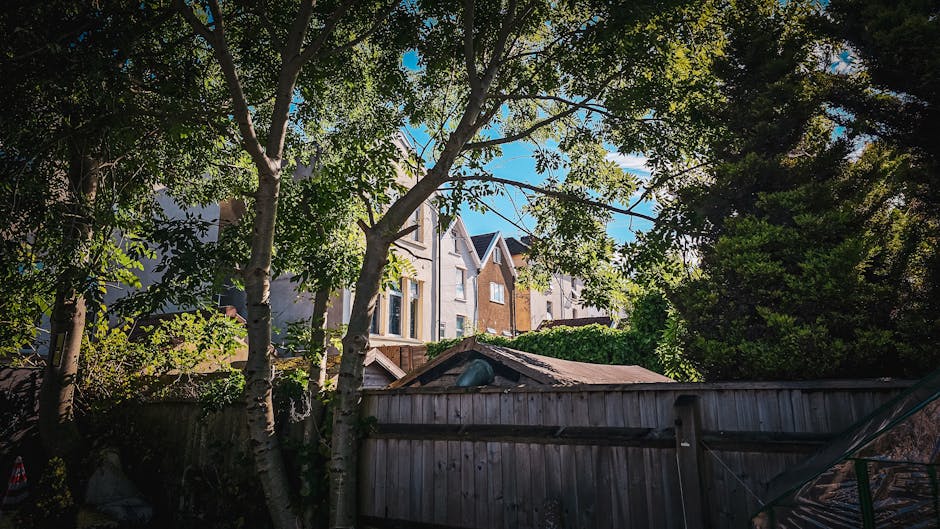
Same day gardeners Chalk Farm emergency tree service: fast, safe help when trees can't wait
When a tree cracks in high wind, a branch drops across a path, or a leaning stem suddenly looks worse by the hour, waiting until next week is not really an option. That is exactly where Same day gardeners Chalk Farm emergency tree service becomes valuable: fast help, practical risk reduction, and a calmer plan for getting your garden safe again. In a place like Chalk Farm, where gardens can be tight, access can be awkward, and neighbouring properties sit close together, quick action matters. This guide explains how emergency tree help works, who needs it, what to expect on the day, and how to make sensible choices without panic.
It is not about dramatic overreaction. It is about handling real hazards properly, especially when a fallen limb, unstable tree, or storm damage could turn into a bigger headache very quickly. Let's walk through the details.
Why Same day gardeners Chalk Farm emergency tree service Matters
Emergency tree work is one of those things people hope they will never need. Then a wet evening, a gusty night, or a sudden split in a main limb changes the picture. In Chalk Farm, gardens often sit near fences, patios, sheds, parking areas, and shared boundaries. That means a damaged tree is not just a garden issue; it can affect access, safety, privacy, and sometimes neighbouring property too.
A same-day response matters for three simple reasons. First, it reduces immediate danger. Second, it stops minor damage from becoming major damage. Third, it gives you a clear professional view before you start guessing, which is usually when bad decisions happen. Truth be told, people often stare at a damaged tree and think, "Can I just leave that until tomorrow?" Sometimes yes. Often, no.
Emergency tree situations can include partial collapse, hanging branches, wind-tilted trunks, root heave, impact damage from vehicles, or limbs pressing on fences and outbuildings. Even if the tree still looks standing, internal cracking may be hiding under the bark. That is why speed and proper assessment matter more than bravado.
If the issue is tied to a broader garden problem, it can also help to look at longer-term maintenance through regular garden maintenance support or, where trees are concerned, a dedicated tree surgery service. The emergency visit solves the immediate problem; the follow-up plan prevents the same scare repeating later.
How Same day gardeners Chalk Farm emergency tree service Works
Emergency tree service is usually more structured than people expect. It is not just "turn up and cut stuff down." A good response follows a simple sequence, and that sequence is there for safety, not delay.
1. Initial call and rapid triage
You describe what has happened: what part of the tree is damaged, whether it is touching a building, whether anyone is at risk, and whether access is blocked. This first call helps the team judge urgency. If a tree is actively moving, split, or blocking a route, it is treated very differently from a branch that has dropped into the garden but is sitting harmlessly on the lawn.
2. On-site assessment
The first job on arrival is to assess risk. Professionals look for signs of instability, tension in branches, root movement, cracked stems, and anything that might fall during the work itself. In a real emergency, the visible damage is often only part of the story.
3. Making the site safe
This may mean cordoning off the area, removing loose material, reducing the weight of a hanging branch, or stabilising access points. Sometimes the most sensible move is to do a partial make-safe first and a fuller clearance after conditions improve. That is not indecision; that is good judgement.
4. Controlled pruning, dismantling, or removal
Depending on the tree's condition, the team may prune hazardous limbs, dismantle sections in stages, or remove the tree entirely. The right method depends on the tree species, location, and the severity of the damage. Narrow Chalk Farm gardens can call for careful sectional work rather than heavy, broad cuts.
5. Clearance and tidy-up
Once the danger is dealt with, debris is cleared and the area is made usable again. If the tree has affected surrounding planting, fencing, or hard landscaping, that is discussed too. A good finish matters. Nobody wants a solved emergency that leaves the garden looking like a small logging experiment.
For people planning ahead, it helps to browse the broader range of gardening services and think about whether the emergency has uncovered a maintenance issue that needs routine attention rather than a one-off fix.
Key Benefits and Practical Advantages
The obvious benefit is safety, but the practical advantages go further than that. A same-day tree response can reduce stress, save time, and protect the rest of the garden from further knock-on damage. That last part is often overlooked.
- Immediate hazard reduction: unsafe branches, blocked paths, and unstable trees are dealt with before someone gets hurt.
- Property protection: quick action can limit damage to fencing, decking, roofs, sheds, and garden structures.
- Less disruption: same-day work often restores access faster, which matters if you need to use a gate, path, or parking space.
- Better decision-making: an experienced eye can tell you whether the tree needs pruning, support, or removal.
- Cleaner follow-up planning: the site can be assessed for future planting, replacement, or layout changes once the immediate issue is under control.
If privacy planting or boundary greenery has been affected, follow-up ideas can include plants for better garden privacy or even a new boundary strategy shaped by hedge ideas for enhanced privacy. That is the kind of thing people often think about only after the emergency has passed, but it is smart to plan for it early.
Expert summary: Emergency tree work is not just about removing what is broken. It is about protecting people, preserving what can be saved, and making sure the garden remains usable after the dust settles.
Who This Is For and When It Makes Sense
This service makes sense for homeowners, tenants, landlords, managing agents, and anyone responsible for an outdoor space in Chalk Farm that now feels unsafe or inaccessible. If the tree is large, close to a structure, or showing sudden change, it is worth taking seriously.
It is especially useful when:
- a branch is hanging after high winds;
- a tree has split near the trunk;
- roots have lifted and the tree is leaning more than before;
- part of the canopy has collapsed into a boundary, patio, or driveway;
- a tree is pressing on a fence or decking area;
- you cannot safely use part of the garden until the problem is resolved.
People often delay because the tree is still standing. But standing is not the same as stable. That distinction matters, and not by a little. If you are uncertain, it is usually better to ask for an assessment than to wait and hope the weather stays kind.
For some gardens, the aftermath also exposes wider issues: worn borders, damaged planting beds, or access paths that need attention. In those cases, a wider review of landscaping options may help once the emergency is handled.
Step-by-Step Guidance
If you are facing an emergency tree problem right now, a calm sequence helps. Here is the practical version.
- Keep people away from the hazard. Do not stand under a cracked branch or near a leaning trunk. Sounds obvious, but people do it anyway.
- Look for immediate danger signs. Is the tree moving? Is it touching power lines, a roof, or a car? Is a major limb suspended in another tree?
- Take a few clear photos from a safe distance. These help explain the problem quickly and can be useful for your own records.
- Make the area accessible. Unlock gates if safe to do so and remove anything movable that might block a professional response.
- Share the key details. Mention access issues, pets, parked vehicles, or anything fragile nearby.
- Wait for the make-safe assessment. A first visit may stabilise the situation before full work is carried out.
- Ask what happens next. If removal, pruning, or follow-up care is needed, get that explained in plain English.
That last step is important. You want to know whether the tree can recover, whether the issue is cosmetic or structural, and what the next weather front might do to it. A tidy answer is better than a vague one.
For trees that still seem viable after the emergency, the next sensible move is often routine care rather than a drastic one-off. If you are already thinking about ongoing garden upkeep, the team's about us page can help you understand the wider approach and values behind the work.
Expert Tips for Better Results
In practice, the best emergency outcomes come from combining quick action with a bit of restraint. Panic rarely helps. Here are some field-tested habits that make a real difference.
- Do not start cutting without a plan. A tree under tension can move in unexpected ways. A branch that looks loose may still be carrying weight.
- Watch the weather. Wind and rain can change the risk level very quickly. Even a calm-looking tree can become hazardous after another gust.
- Be honest about access. Narrow side passages, shared alleys, and awkward garden layouts affect what equipment can be used.
- Think beyond the tree. Fence panels, paving, drainage, and nearby planting can all be affected. A proper assessment should cover the whole picture.
- Ask about the stump and debris. Sometimes the emergency is the first stage; the garden still needs a clear tidy and perhaps future replanting.
One thing people do not always realise: the best-looking finish is not always the safest one on day one. Sometimes a slightly reduced, clearly safe tree is the right call, followed by planned shaping later. A bit less glamorous, maybe. Much smarter, though.
If you are trying to make the rest of the garden lower maintenance after an emergency, there are some useful ideas in low-maintenance garden ideas and neglected garden revival tips. They can be surprisingly helpful when you are rethinking a damaged space.
Common Mistakes to Avoid
The most common mistakes are usually the simplest ones. That is what makes them so irritating.
- Standing too close for a better look. Better looks can come at a bad price when a limb is unstable.
- Assuming a tree is fine because the trunk is still upright. Internal splits and root movement are easy to miss.
- Trying to "just trim a bit off" without understanding the load. Wrong cuts can make the problem worse.
- Delaying action because the tree is on private property. Private property still carries responsibility when safety is involved.
- Ignoring nearby boundary damage. A bent fence or cracked panel may be a warning sign of hidden stress.
- Forgetting pets and children. A work area needs to be kept clear, no exceptions.
Another subtle mistake? Not asking what caused the failure in the first place. Was it rot, previous storm stress, shallow rooting, or weight imbalance? That answer shapes what happens next and can save you from repeat trouble.
Tools, Resources and Recommendations
For readers who like to understand the kit and process, emergency tree work typically relies on a mix of climbing, cutting, and safety equipment, but the exact combination depends on the tree and site. You will not usually see a one-size-fits-all approach, because there isn't one.
Useful resources and considerations include:
- Site photos: send clear images of the tree, surroundings, and access points if requested.
- Boundary awareness: note fences, sheds, sheds, decking edges, glass structures, and neighbouring lines.
- Safety documents: if you want to understand working methods and site controls, review the company's health and safety policy and insurance and safety information.
- Quotes and follow-up planning: if further work is likely, the pricing and quotes page is a sensible next read.
- Payment confidence: for anyone cautious about booking, the payment and security page can be reassuring.
It can also help to think about the garden as a whole after the emergency. A damaged tree often leaves behind uneven light, patchy borders, or a space that now feels open in an awkward way. That is where later work such as lawn care or even fencing support can restore balance.
Law, Compliance, Standards, or Best Practice
Tree emergencies can involve safety, property, and in some cases legal responsibility. This is where it pays to stay practical and cautious rather than overconfident. In the UK, tree work should be carried out with attention to safe working methods, site risk assessment, appropriate insurance, and any local constraints that may apply to protected trees or conservation settings. If you are unsure whether a tree is subject to special controls, ask before work begins.
Best practice usually means:
- carrying out a visible hazard assessment before cutting;
- using appropriate protective equipment and controlled methods;
- keeping bystanders away from the work area;
- checking for nearby structures, cables, and boundary issues;
- documenting the problem and the action taken;
- using clear written terms when a larger job follows an emergency callout.
The details matter because emergency work can move quickly. A rushed job without proper controls is not efficient; it is risky. If you want more background on the company's approach to trust and process, see the terms and conditions, complaints procedure, and modern slavery statement. They do not fix a storm-damaged tree, of course, but they do tell you something about the standards behind the service.
One more thing: if the tree issue is tied to a broader garden redesign after damage, it may be worth planning the recovery around general gardening services or a wider property refresh. Sometimes the safest tree work is the first step in a much better outdoor space.
Options, Methods, or Comparison Table
Not every tree problem needs the same solution. Some are urgent and temporary; others call for decisive removal. Here is a simple comparison to help you understand the main options.
| Method | Best for | Typical outcome | What to keep in mind |
|---|---|---|---|
| Make-safe pruning | Broken or hanging limbs, partial storm damage | Immediate danger reduced, tree may remain | Often followed by a second visit for finer work |
| Sectional dismantling | Large trees in tight spaces or near structures | Tree removed in controlled parts | Slower, but safer in awkward gardens |
| Full removal | Severely unstable, rotten, or badly split trees | Hazard removed entirely | May need stump and boundary follow-up later |
| Reduction and reshaping | Overweighted crowns or recurring wind stress | Less strain on the tree | Best when the tree is still structurally viable |
If the tree has also affected planting or border structure, later improvements might include careful planting choices for privacy and resilience, such as ideas from ground cover plant ideas or hedge-shaping inspiration. Not every emergency ends with a new tree. Sometimes it ends with a smarter planting plan.
Case Study or Real-World Example
Picture a typical Chalk Farm garden after a windy night. A mature tree beside a rear boundary has lost a large limb, and the branch is now resting awkwardly on a fence panel. The owner notices it just after breakfast. No one is hurt, thankfully, but the path is blocked and the branch looks under tension. There is that horrible moment of "do I touch it, or leave it alone?"
In this kind of situation, the sensible response is to keep everyone clear, take a few safe photos, and arrange same-day assessment. On arrival, the team checks whether the branch is stable enough to clear in sections or whether it needs supporting first. In many cases, the immediate work is to make the area safe and remove the weight from the fence. The tree itself may then be reduced or partially dismantled, depending on its condition. The result is not just a tidier garden; it is a usable garden again.
Later, the owner may discover that the storm exposed other issues too: a patch of lawn compacted by debris, a border opened up to too much light, and a fence that needs checking. That is normal. Emergencies often reveal the weak spots that were hiding in plain sight. The good news? Once you know them, you can deal with them.
This is also where a wider service relationship can help. A good team can move from emergency response into follow-up care, whether that means restoring the lawn, adjusting nearby planting, or planning the next stage of garden recovery. Little by little, it comes back.
Practical Checklist
Use this quick checklist if you are dealing with a tree emergency or suspect one is developing.
- Is anyone in immediate danger?
- Is the tree touching a building, fence, car, or cable?
- Has the trunk split, or is the root base lifting?
- Are branches hanging loosely or moving in the wind?
- Have pets and children been kept away?
- Have you taken safe photos from a distance?
- Is access clear for an urgent visit?
- Do you know whether the tree can be made safe or needs removal?
- Have you checked for any follow-up damage to nearby structures?
- Do you have a plan for restoring the garden after the emergency?
If you can tick most of those boxes, you are already in a much better position than someone trying to improvise at 7:30 on a wet Tuesday morning. Small win, but a real one.
Conclusion
Same-day emergency tree help is about more than speed. It is about restoring control when a garden suddenly feels unsafe, messy, or uncertain. In Chalk Farm, where space can be tight and neighbours are close, that quick professional response can make a stressful day much easier to manage. The right team will assess the risk carefully, act in a controlled way, and leave you with a clear next step rather than a vague shrug.
If you are dealing with a damaged tree, a leaning trunk, or a branch that simply should not still be there, do not wait around hoping it sorts itself out. A calm, experienced response is usually the best path forward, and it often protects more of your garden than people expect.
Get a free quote today and see how much you can save.
And if today is one of those days where the garden feels a bit too quiet after the storm, take a breath. It can be put right, and usually sooner than you think.
Frequently Asked Questions
What counts as an emergency tree service in Chalk Farm?
An emergency tree service is needed when a tree or large limb poses an immediate or likely safety risk, blocks access, or has suffered storm damage that could worsen quickly. If the tree is unstable, leaning suddenly, or damaging nearby property, it is worth treating as urgent.
Can same-day gardeners deal with a fallen branch without removing the whole tree?
Yes, sometimes the safest and most efficient response is to remove only the damaged branch or make the tree safe without full removal. That decision depends on the tree's stability, the type of damage, and the space around it.
How do I know if a leaning tree is dangerous?
A small natural lean is not always a problem. A sudden lean, root lifting, cracked soil around the base, or fresh movement after wind is more concerning. If the tree has changed position noticeably, get it assessed promptly.
Will emergency tree work damage my garden?
There can be some disruption, especially if access is tight or the tree is large, but a careful team should aim to minimise unnecessary disturbance. Good planning usually keeps damage to surrounding planting, turf, and hard landscaping as low as possible.
Do I need permission for emergency tree work?
Sometimes tree work may be affected by protections such as preservation controls or conservation area considerations. In a genuine emergency, urgent safety work may still be possible, but it is wise to ask for guidance before starting non-urgent follow-up work.
How fast can a same-day emergency tree team arrive?
That depends on workload, access, traffic, and the severity of the issue. Same-day usually means priority scheduling on the day, but exact timing can vary. If the tree is actively dangerous, mention that clearly when you call.
What should I do while waiting for the team to arrive?
Keep people and pets away from the area, avoid touching unstable branches, and clear access if it is safe to do so. If there is immediate risk to buildings or overhead cables, make that clear during your call.
Is emergency tree removal always the best option?
No. Sometimes pruning, reduction, or temporary make-safe work is the better solution. Removing the whole tree is usually reserved for severe instability, major structural failure, or trees that cannot be made safe another way.
Can emergency tree damage be followed by regular maintenance?
Absolutely. In fact, that is often the sensible next step. Once the urgent issue is handled, routine maintenance helps reduce future risk and keeps the rest of the garden in better condition.
How much does emergency tree service usually cost?
Costs vary depending on access, urgency, tree size, equipment needed, and whether the job involves partial work or full removal. It is best to request a quote after a proper assessment rather than guessing from the outside.
What if the storm-damaged tree is close to my neighbour's fence?
That makes a careful assessment even more important. Boundary damage can be sensitive, so it helps to document the issue, act promptly, and choose a professional approach that respects both safety and the surrounding property.
Can I just cut the branch myself?
For small, clearly safe material, some people can manage minor garden tidying. But hanging limbs, cracked trunks, and storm-damaged trees are different. Cutting without understanding the tension in the wood can be very risky, so it is better to leave hazardous work to professionals.